

Wednesday, 02/09/2026 | 00:52 GMT+7


Vietnamese firms to tackle plastic pollution in Ha Long Bay
16/03/2021
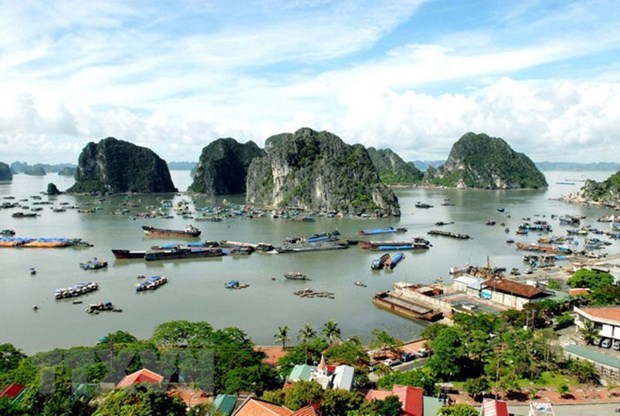
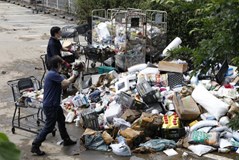
The Ending Plastic Pollution Innovation Challenge (EPPIC) is a two and half-year project funded by the Norwegian Agency for Development Cooperation (Norad). The first component of the EPPIC will focus on tackling local pollution challenges in ASEAN by selecting, supporting, incubating, and scaling up the best and most innovative solutions. The second component will contribute to building Vietnam’s capacity to combat this growing challenge, as well as strengthening networks and knowledge exchange between ASEAN countries. About the 2020 EPPIC challenge sites Ha Long Bay, a UNESCO World Heritage Site located in Quảng Ninh Province, is one of Vietnam’s most popular travel destinations, receiving 14 million visitors in 2019. The province generates 1,397 tonnes of domestic solid waste daily, of which approximately from 12 to 18 per cent is plastic. About 34 tonnes of waste is generated from tourism alone on a daily basis, some of which is simply thrown into the sea by travellers. Ha Long Bay is also home to a large fish-farming industry with 20,600 fish-ponds and 9,600 fish cages, meaning equipment such as buoys and fishing nets are among the most common plastic items that are being lost or discarded into the environment. Koh Samui (Samui Island) is the largest island in an archipelago located off the northeastern coast of Surat Thani Province in Thailand. This very famous tourist destination welcomed more than 2.5 million visitors in 2017 but possesses limited waste management systems to manage the approximately 10,800 tonnes of plastic waste that are generated there annually. |
 MoU on sustainable development for textiles and footwear signed
 Vietnam - UK cooperate for sustainable development
 Vietnam, Japan sign a Memorandum of Understanding on low-carbon growth
 Increasing solutions in response to climate change
 Realizing vision towards sustainable green agriculture development
 WWF-Vietnam calls to reduce plastic waste
 Promoting ASEAN cooperation towards sustainable development of mineral exploitation
 Developing forests in coastal areas in response to climate change