

Saturday, 27/06/2026 | 22:43 GMT+7


Cleaner Production Approach
04/01/2011
| UNEP defines cleaner production as ....the continuous application of an integrated preventive environmental strategy applied to processes, products, and services in order to increase efficiency and reduce risks to humans and the environment.
|
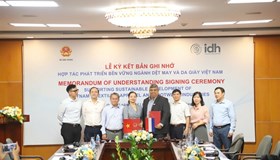 MoU on sustainable development for textiles and footwear signed
 Vietnam - UK cooperate for sustainable development
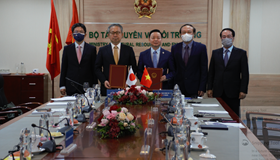 Vietnam, Japan sign a Memorandum of Understanding on low-carbon growth
 Increasing solutions in response to climate change
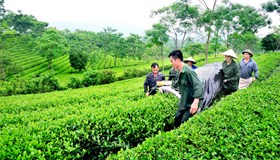 Realizing vision towards sustainable green agriculture development
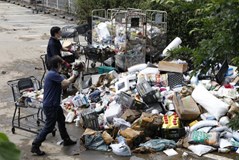
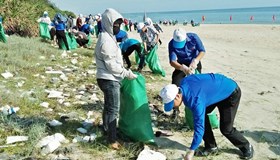 WWF-Vietnam calls to reduce plastic waste
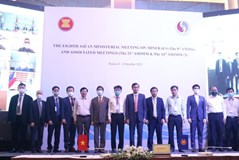
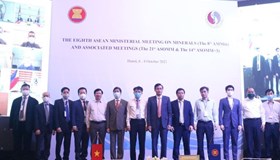 Promoting ASEAN cooperation towards sustainable development of mineral exploitation
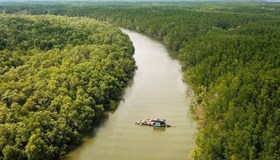 Developing forests in coastal areas in response to climate change